
Lessons & Programmes
Stage 1: Discover - Year-long discovery programmes
Perfect for children who are new to music and still exploring their interests.
Stage 1 is the only time we encourage small-group learning at Blockhouse Bay School of Music.
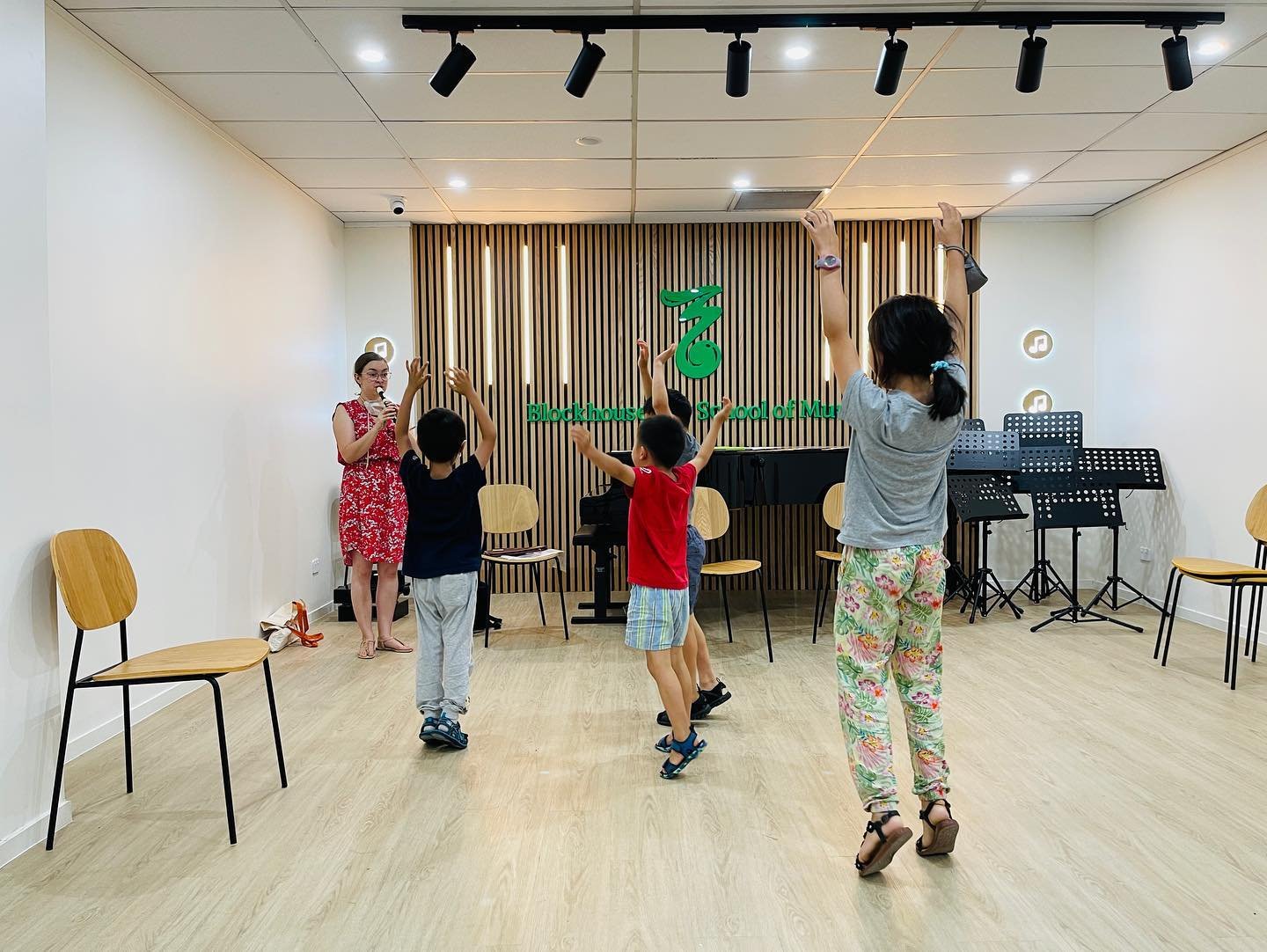
In this stage, children learn through play, songs and movement in a friendly group, while gently building the foundations they will need for future one-on-one lessons.
Each discovery programme runs for a full year (school terms), with 45-minute weekly classes in small groups of 4–8 children, usually in School Years 0–3 (ages 4–7). Over the year, students explore basic musical skills and try real instruments in a low-pressure setting.
By the end of Stage 1, most children have a much clearer sense of what they enjoy and are ready to move naturally into individual one-on-one lessons in Stage 2.
All discovery programs are year-long, 45-minute weekly classes in small groups of 4–8 children.
For current fees and class times, please see our Enrolment & Contact page.
-
• 4–7 (School Years 0–3)
• 45-minute weekly small group (4–8 children)
Mini Musos is our playful, all-round introduction to music for young beginners. Children learn to feel the beat and rhythm, sing simple songs, clap patterns, move to music and recognise basic musical symbols.
Across the year, students also learn two starter instruments – recorder and violin. They discover how to hold and play them safely, make their first sounds and play simple tunes together.
The goal is not perfection, but confidence and curiosity – helping each child feel “music is for me” and preparing them for a smooth transition into one-on-one lessons later on.
A fun first step into music, mixing songs, games and two real instruments – recorder and violin – in one year-long programme.
-
• 4–7 (School Years 0–3)
• 45-minute weekly small group (4–6 children)
Intro to Piano is a gentle, structured way for young children to try the piano before committing to individual lessons. Students learn basic keyboard awareness, how to sit and use their hands and fingers correctly, and how to play simple pieces they can be proud of.
Classes include listening, short exercises, games and shared playing, so children stay engaged while slowly building the foundations they will need in one-on-one piano lessons later on.
A friendly small-group course that introduces young beginners to the piano and builds a solid base for future one-on-one lessons.
-
• 4–7 (School Years 0–3)
• 45-minute weekly small group (4–6 children)
Intro to Flute lets children experience the sound and feel of the flute in a supportive group setting. Students learn how to hold the instrument, produce their first notes, and play simple tunes together while developing their breathing, listening and rhythm.
The focus is on exploration and enjoyment, not pressure. By the end of the year, children who connect with the flute will be ready to move into one-on-one flute lessons with much more confidence.
A gentle introduction to flute playing, helping young beginners explore the instrument and prepare for individual lessons.
-
• 4–7 (School Years 0–3)
• 45-minute weekly small group (4–6 children)
Intro to Cello gives young children a chance to explore the rich, warm sound of the cello. In a small group, students learn how to hold the instrument and bow safely, produce clear notes and play short, simple pieces together..
Classes combine posture, listening, rhythm and basic technique with plenty of encouragement, so children feel supported rather than intimidated by a larger instrument.
By the end of the programme, students who enjoy the cello can move smoothly into one-on-one lessons with a strong head start.
A year-long first experience with the cello, building comfort, basic technique and readiness for individual study.

Stage 2: One-on-one lessons – The heart of real music learning
For children and teens ready to build real skills, technique and confidence with their own teacher.
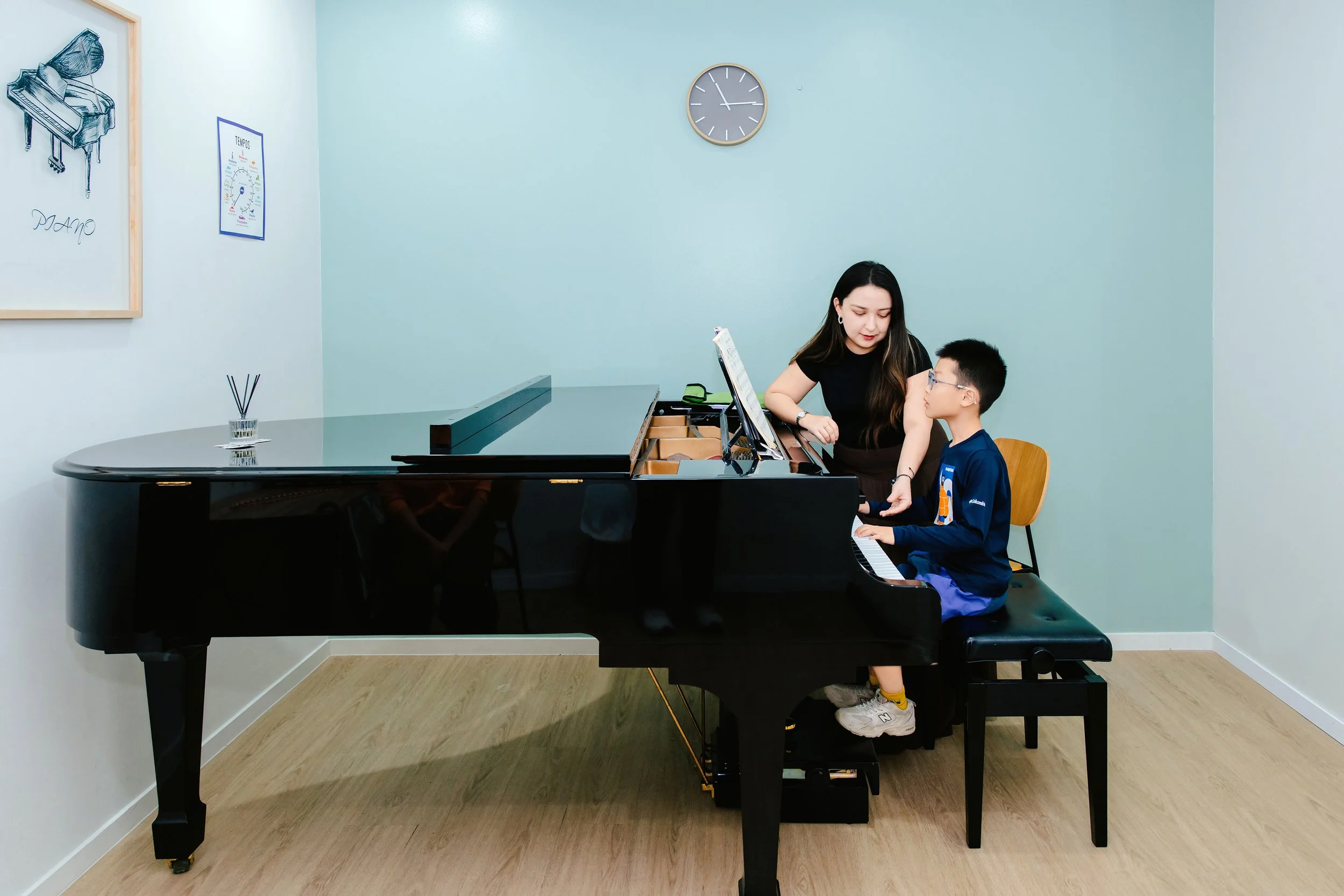
From Stage 2 onwards, almost all regular learning at Blockhouse Bay School of Music happens one-on-one – one student, one teacher, one lesson at a time.
We believe that long-term, serious music study needs:
Personalised feedback for each child
Correct technique from the beginning
Flexible pacing, so students can move faster or slower when they need to
A consistent relationship with a teacher who really knows them
Group classes are wonderful for early discovery (Stage 1), but Stage 2 is where real progress and healthy habits are built.
Lessons are usually weekly individual sessions, with lesson length chosen to suit the student’s age, level and goals (for example, 30, 45 or 60 minutes). Our team can help you decide what’s appropriate for your child.
Instruments we teach
In Stage 2, students can move from discovery programs into ongoing one-on-one lessons, or start directly if they are older beginners.
We currently offer individual lessons in:
Piano
Violin, Viola, Cello (strings)
Guitar, Ukulele
Vocal (singing)
Recorder, Flute
Music Theory & Aural Practice
Chamber Music Coaching
Conducting
Piano Accompaniment Coaching
Why one-on-one?
Why do we focus on one-on-one lessons?
Because we believe that:
Every child learns differently.
Good technique needs individual attention.
Confidence grows when students feel seen and heard.
One-on-one lessons give us the time and space to notice the small details that make a big difference in the long run.
-
Piano is one of our most popular instruments, suitable for children from around age 5 and up, as well as teens and adults.
Lessons cover posture, hand shape, reading music, rhythm, listening and a wide range of repertoire. For more advanced students, we can include exam preparation, ensemble playing and musicianship skills.
From first simple tunes to advanced pieces, each student moves at their own pace with a teacher who knows their strengths and challenges.
-
One-on-one string lessons help students develop secure technique, a beautiful sound and confident performance skills.
We work on posture, bow hold, intonation, tone and musical expression, always with an emphasis on healthy playing and enjoyment. As part of our programme, every string student receives two lessons each term with a piano accompanist, working together with their main teacher to prepare for confident, collaborative playing. Students can work towards school performances, orchestra auditions or exams if they wish.
Ideal for children who enjoy expressive, singing sounds and are keen to take on a more challenging instrument with close support.
-
For students who love chords and songs, guitar and ukulele offer a fun way into music.
Lessons can include basic chords, strumming patterns, reading, fingerstyle or more classical techniques, depending on the student’s interests and goals.
Great for children and teens who want to accompany themselves, play in bands or simply enjoy making music at home.
-
Vocal lessons focus on healthy singing – building breath support, pitch, tone and confidence in a safe, age-appropriate way.
Students may work on school songs, musical theatre, classical or contemporary styles, depending on their interests. We pay close attention to protecting young voices while helping them grow.
Perfect for students who love singing and want guidance on using their voice well and performing with confidence.
-
For students who have enjoyed recorder or flute in discovery programs, one-on-one lessons allow them to take the next step with proper technique and musicianly playing.
Lessons cover breathing, tone production, fingering, reading and musical expression, with repertoire suitable for each level.
A natural progression for children who enjoy wind instruments and want to develop their skills further.
-
Alongside instrumental lessons, we also offer specialist one-on-one support in:
Music Theory & Aural / Musicianship – to support exams, NCEA and deeper understanding of music
Chamber Music Coaching – for small ensembles wanting guidance on playing together
Conducting – for advanced students interested in leading ensembles or school groups
Piano Accompaniment Coaching – or string, wind and vocal students who are preparing for performances or exams that require a piano accompanist. These sessions include rehearsal with our accompanist and guidance from the teacher on musical coordination, balance and stage presentation.
These lessons can be taken on their own or alongside instrumental study.
For information on fees, lesson lengths and available times, please see our Enrolment & Contact page or get in touch with us – we’re happy to recommend a starting point for your child.
Stage 3: Exams, Theory & Skills – When your child is ready
Using exams and extra study as tools to deepen musical understanding – not as the whole journey.
For some students, music exams and extra theory/aural work can be very motivating and helpful. In Stage 3, we support students who are ready to take that step, while keeping our focus on healthy progress, enjoyment and long-term learning.
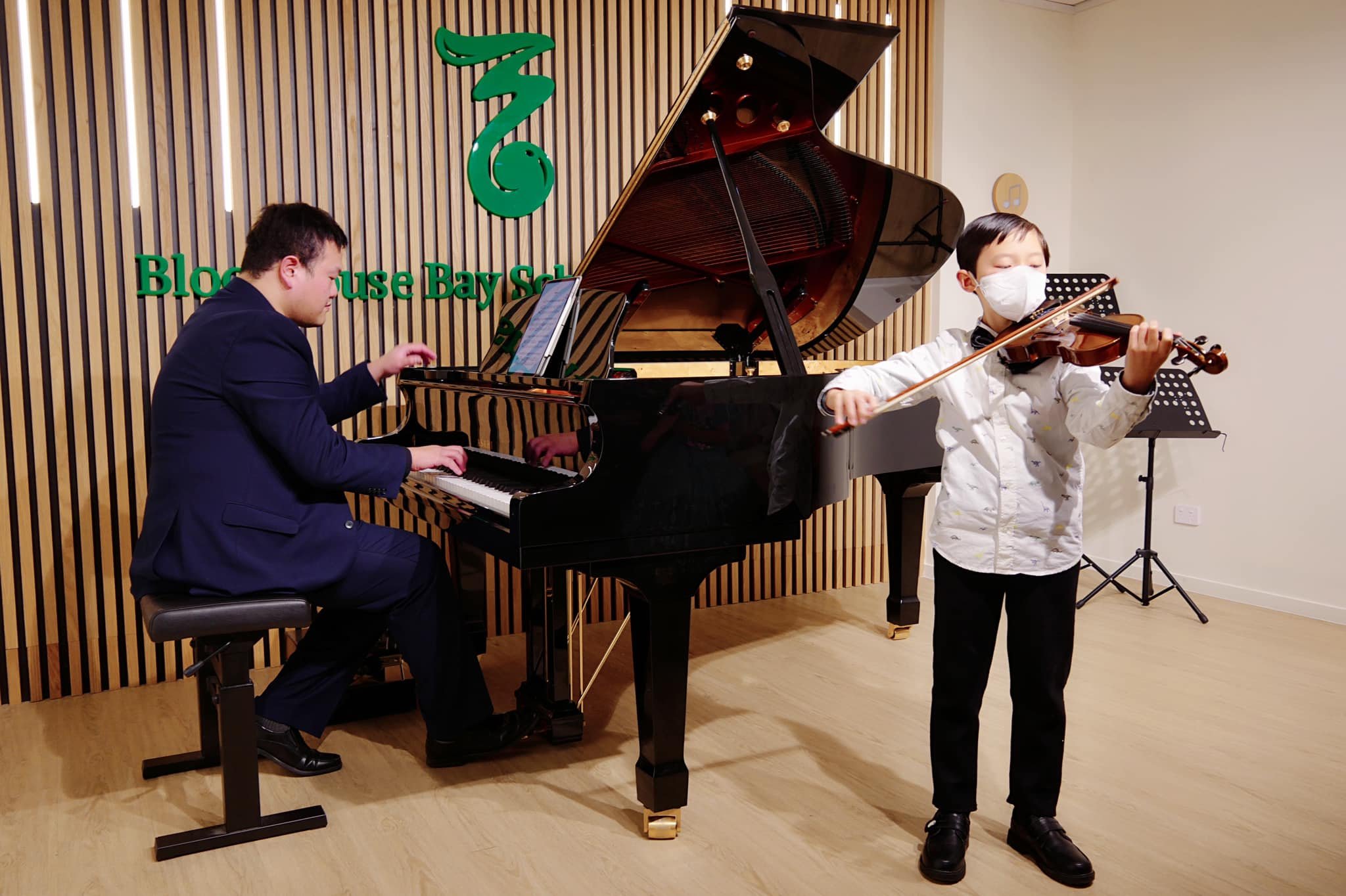
We prepare students for ABRSM, Trinity and Rockschool practical and theory exams, and we offer dedicated support in music theory, aural and musicianship to help them feel confident and well-prepared.
Exams are always optional. We use them when they serve the student – never as the only measure of success.
-
We see exams as:
A useful goal for some students
A way to structure learning and celebrate progress
An opportunity to develop resilience and focus
. . . but we do not believe that every student must sit exams, or that a higher grade always means “better” music.
Our teachers will talk with each family to decide whether exams are right for their child, and if so, which exam board and level make sense.
-
Music theory and aural skills help students understand how music works – not just which notes to play.
We offer:
One-on-one or small-group lessons in music theory, from basic notation to more advanced harmony
Aural and musicianship training to support practical exams, school music (including NCEA) or simply to deepen listening skills
Ideal for students who want to feel more secure reading music, understanding what they play, and preparing for higher levels of study.
-
For students who wish to continue on to ABRSM Grades 6–8, passing ABRSM Grade 5 Theory is a compulsory requirement. Our ABRSM Grade 5 Theory Crash Course is an intensive, one-term programme developed in-house to help students meet this requirement efficiently.
In this course, students:
Cover the full Grade 5 theory syllabus in a clear, structured way
Receive focused explanation of key concepts that often take a year or more to absorb in regular lessons
Practise a wide range of exam-style questions and learn how to approach the paper strategically
Get specific feedback on their strengths and gaps, so they know what to work on before sitting the exam
This program is designed to help students quickly gain a solid understanding of ABRSM Grade 5 Theory and feel well-prepared to sit the exam, so they can move forward to Grades 6–8 with confidence.
-
In addition to exam preparation, we can also provide:
Help with school music assessments and NCEA
Extra support for students who feel “stuck” at a certain level and need a boost in reading, rhythm or understanding
Tailored short blocks of lessons to get ready for a particular performance, audition or assessment
For details on fees, available formats and schedules for our exams, theory and skills programs, please see our Enrollment & Contact page or get in touch with us.
Stage 4: Performance & Mastery – Taking music to the stage
For motivated students who want to refine their playing, share their music and grow as performers.
Playing an instrument well is not only about what happens in the practice room. In Stage 4, we offer extra opportunities for students to:
Practise performing in a safe, supportive environment
Learn how to play with others
Receive deeper feedback from experienced tutors and guest teachers
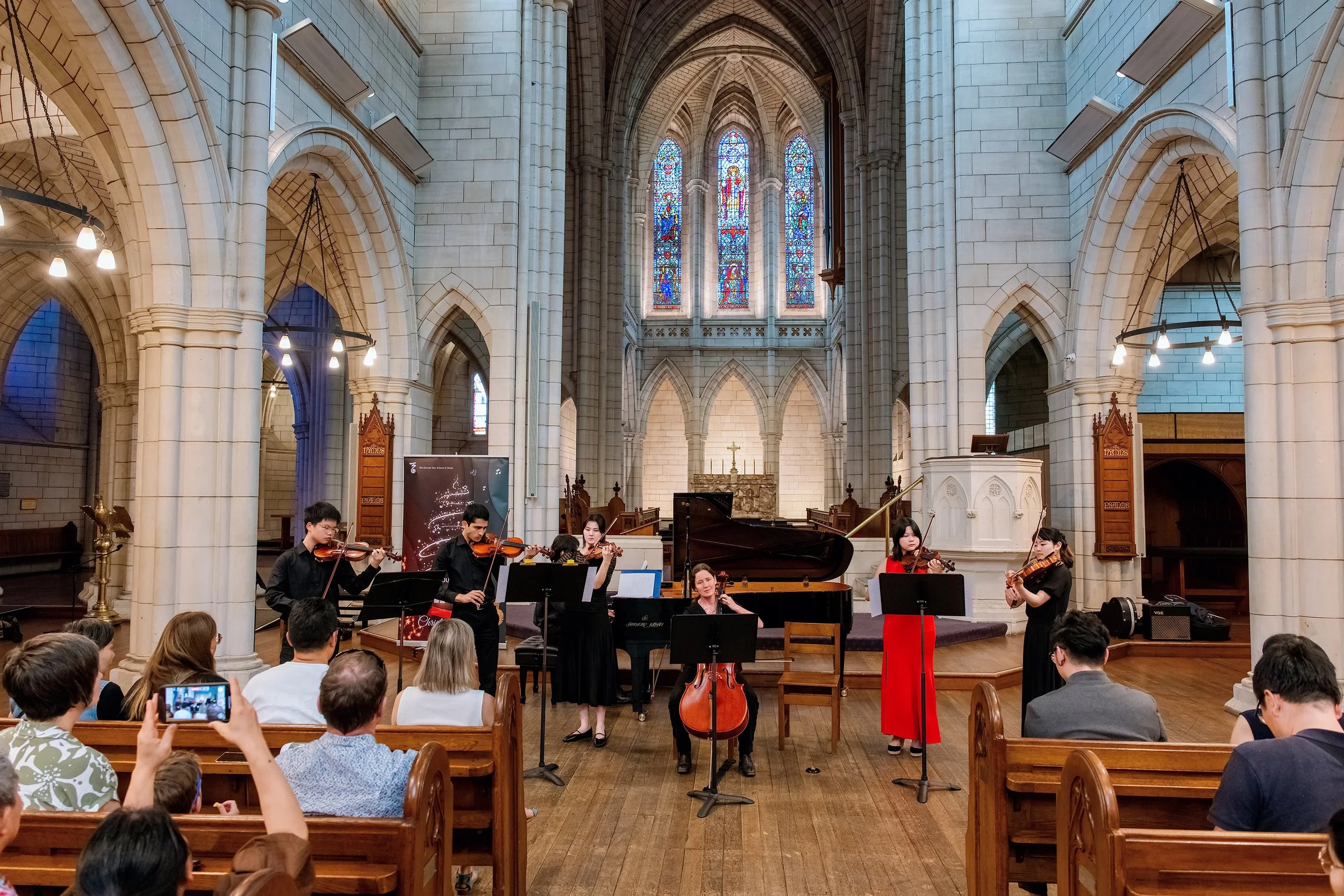
Alongside our structured programs, Blockhouse Bay School of Music also runs a rich calendar of concerts and music events. These include End-of-Term Concerts each term, our annual End-of-Year Showcase Concert, Artistic Collaboration Concerts and invitations to perform at various community and school events. We aim to provide every student with performance opportunities that are appropriate for their age, level and interests, so that each child can experience the joy of sharing their music on stage.
These Stage 4 opportunities are ideal for students preparing for concerts, exams, auditions, or competitions, or for those who simply love the challenge of performing.
-
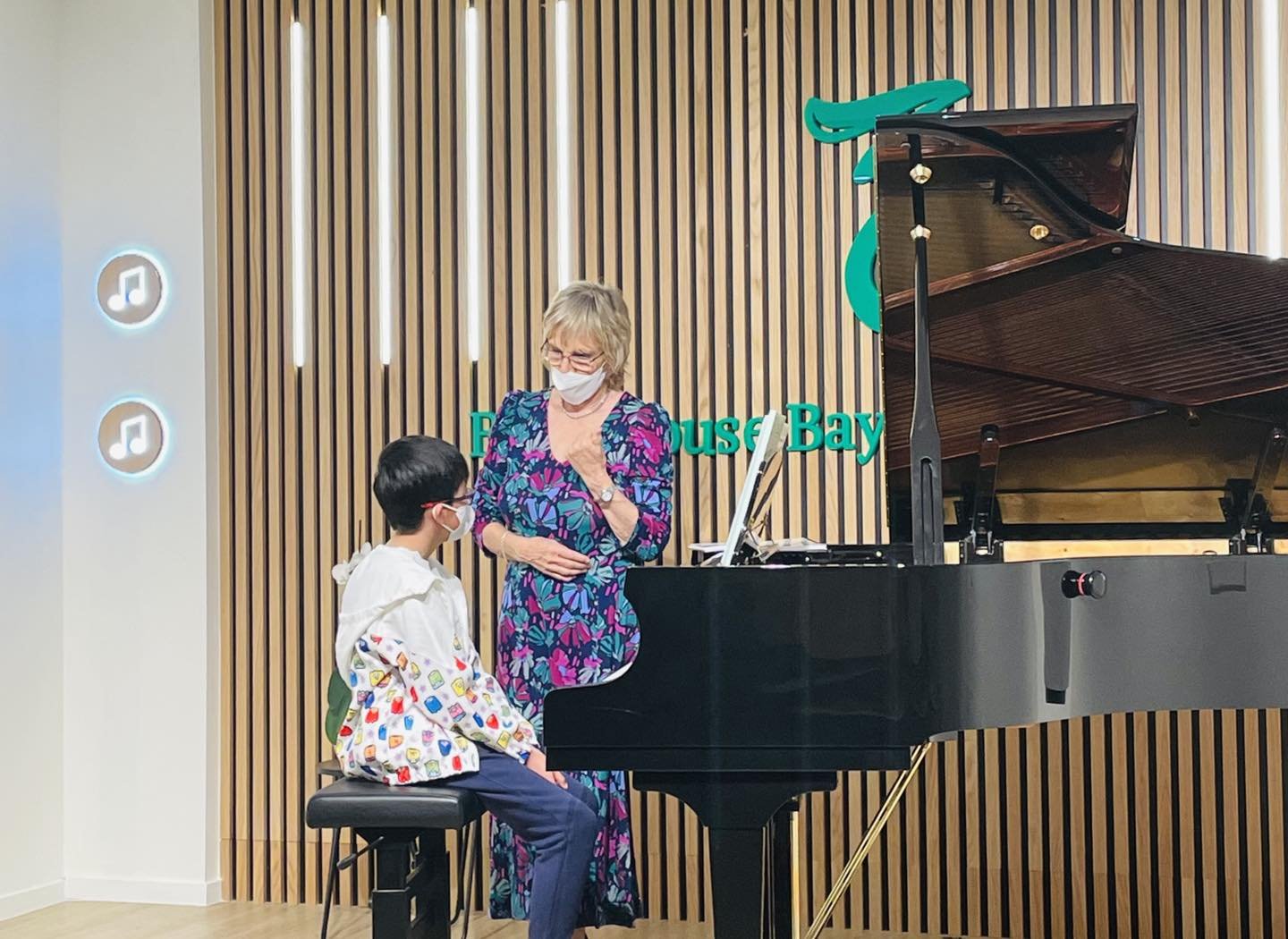
Performance class is a group class where students bring pieces they are working on and play for each other in a friendly setting.
In these sessions, students:
Practise walking on stage, introducing themselves and performing
Receive constructive feedback on musical expression, stage presence and nerves
Learn to listen to others and talk about music in a supportive way
A gentle bridge between the practice room and the concert stage, helping students feel less nervous and more proud to share their music.
-
Masterclasses are special sessions led by senior tutors or guest artists, aimed at more advanced or highly motivated students.
In a masterclass, students:
Perform a prepared piece in front of a small audience
Receive in-depth comments and ideas from the masterclass teacher
Gain insight by watching other students’ lessons as well
Ideal for students preparing for higher-level exams, competitions or important performances, or those who simply want to dig deeper into their music.
-
Chamber music coaching is for small ensembles (for example, duos, trios or quartets) who want to learn how to play together more musically.
We work on:
Listening and balance between parts
Cueing and communication
Musical shape, phrasing and ensemble rhythm
Perfect for students who already play an instrument and want to experience the joy and challenge of playing in a group.
-
For string, wind and vocal students who are preparing for performances or exams that require a piano accompanist, we offer dedicated piano accompaniment and coaching.
In these sessions, students:
Rehearse with a piano accompanist
Work together with their main teacher and accompanist on coordination, balance, timing and musical communication
Practise walking on stage, acknowledging the accompanist and presenting themselves confidently
These lessons help students feel prepared and supported when performing with piano, whether in exams, concerts or school events.
As with other stages, detailed fees and schedules for performance and mastery programs are listed on our Enrollment & Contact page. If you’re not sure which opportunities might suit your child, we’re happy to discuss options with you.
Want to learn more?
